2026-10-24 ·
Simple Steps to Inspect Duct Vents in Older Berkeley Homes
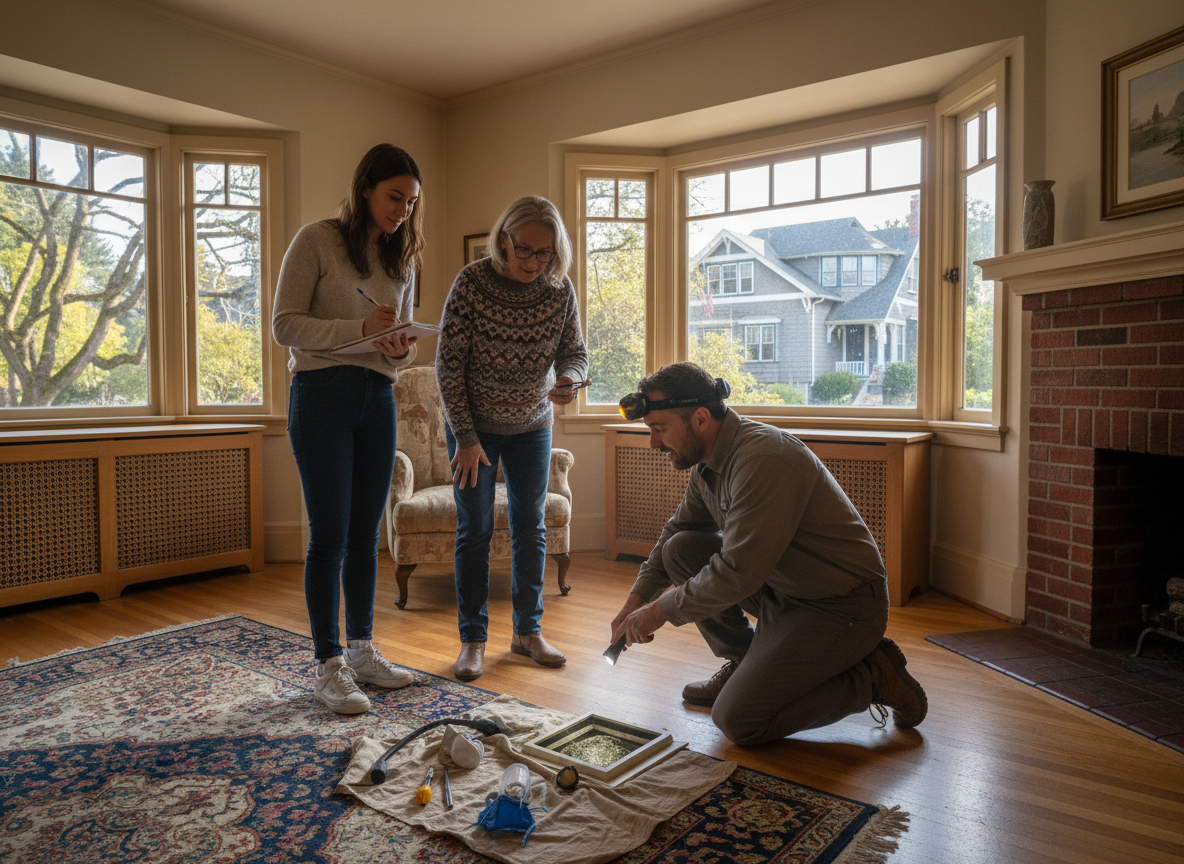
Inspecting duct vents in older Berkeley homes begins with a visual check for dust accumulation and restricted airflow that often develops after 20-30 years of use. Start at the return vents in living areas and bedrooms, then move to supply registers near windows and exterior walls. Note any musty odors or uneven temperatures between rooms, as these signs point to buildup in the ductwork common in homes built before 1980 in Berkeley Heights and nearby neighborhoods.
Checking Visible Signs of Blockage
Begin your inspection by removing vent covers in high-traffic rooms and looking inside with a flashlight for layers of dust, pet hair, or debris. In older Berkeley homes, especially those in Elmwood or Claremont, original metal ducts often collect fine particles from nearby wooded areas and seasonal pollen. Run your hand along the interior edges to feel for thick buildup that reduces airflow by 20-40 percent over time. Check the area around the vent frame for dark stains indicating long-term air restriction. If you notice loose insulation pieces or small pests, document the location with photos before replacing the cover. These initial observations help determine whether the system needs professional attention rather than simple surface cleaning.
Tools and Safety Preparations
Gather a bright LED flashlight, a mirror on an extendable handle, and a screwdriver set before starting any inspection. Turn off the HVAC system at the thermostat to prevent dust circulation during the process. Wear a dust mask rated N95 and gloves to avoid inhaling particles loosened from older duct surfaces in Berkeley homes. Position a drop cloth beneath each vent to catch falling debris. For homes near the Pine Barrens edges, check that exterior intake vents are clear of leaves and pollen before proceeding inside. Keep a notepad handy to record vent locations, observed conditions, and any temperature differences measured with a basic thermometer across rooms.
Inspecting Duct Connections in Attics and Basements
Move to accessible attic or basement spaces where main trunk lines run in older Berkeley properties. Shine the flashlight along joints for gaps or disconnected sections that allow conditioned air to escape into unconditioned spaces. Look for sagging flexible ducts or crushed sections caused by storage items placed overhead. In homes around Northbrae or Thousand Oaks, moisture from humid summers can promote mold growth on duct exteriors, so scan for discoloration or soft spots. Measure the distance between supports to ensure ducts do not sag more than 1 inch per 4 feet. Note any rodent droppings or nesting material that may have entered through exterior openings over the decades.
Deciding Next Steps After Inspection
Compile your findings and compare them against typical performance in similar-aged homes throughout the Berkeley area. If more than half the vents show heavy buildup or you detect temperature swings exceeding 5 degrees between rooms, schedule a full system evaluation. Residents can review related guidance on mold risks in humid summer ducts at /blog/what-homeowners-need-to-know-about-mold-risks-in-humid-summer-ducts or explore cost factors at /blog/factors-that-affect-air-duct-cleaning-costs-in-berkeley-nj. For targeted vent work, consider residential air duct cleaning through /services/residential-air-duct-cleaning or air vent cleaning at /services/air-vent-cleaning. Consistent inspections every 12-18 months help maintain airflow and reduce strain on HVAC equipment in these established neighborhoods.